In Singapore's fast-paced logistics and warehousing sectors, the difference between a profitable operation and a loss-making one often comes down to the competence of its forklift operators. Poorly trained drivers are not just a safety risk; they are a financial liability that drains resources through equipment damage, product loss, and operational delays. Yet many businesses continue to view operator training as an expendable cost rather than a critical investment in their long-term success.
UMW offers comprehensive training courses approved by the Ministry of Manpower and SkillsFuture Singapore for powered industrial trucks. These programmes are designed to tackle the specific challenges faced by operators in Singapore's demanding industrial environment. From mastering complex manoeuvring techniques to understanding preventive maintenance, participants gain practical skills that deliver immediate and lasting benefits. This article examines how professional operator education enhances productivity, reduces equipment costs, and creates a safer workplace for everyone.
Key Takeaways:
- Accredited operator training reduces workplace accidents and associated liabilities.
- Preventive maintenance knowledge extends equipment lifespan and lowers repair costs.
- MOM-approved certification ensures full legal compliance for your operations.
- Skilled operators improve throughput and minimise product damage.
- UMW's programmes are regularly updated to reflect current industry standards and regulations.
Boosting Productivity Through Proper Training
Operational efficiency in any warehouse depends heavily on the skill level of its equipment operators. An untrained driver often develops poor habits, such as oversteering, incorrect load placement, or unnecessary repositioning. These small inefficiencies add up over a shift, reducing the number of pallets moved per hour and creating bottlenecks in the supply chain. When multiplied across an entire fleet, the productivity loss can be substantial, affecting delivery timelines and customer satisfaction.
UMW's training programmes are specifically designed to address these performance gaps. Participants learn systematic approaches to vehicle operation, including proper acceleration and braking techniques, precise steering control, and efficient load handling. The curriculum covers not just the mechanics of driving but also strategic aspects such as route planning to minimise travel time. Trainees practise on various equipment types, from counterbalance forklifts to reach trucks, ensuring they can adapt their skills to different machines. By mastering these techniques, operators can significantly reduce cycle times, increase throughput, and contribute to a more responsive logistics operation.
Reducing Maintenance Costs Through Preventive Care
Equipment maintenance represents a significant portion of any fleet's operating budget, yet many managers underestimate how operator behaviour influences these costs. Aggressive driving, overloading, and neglecting daily inspections accelerate wear on tyres, masts, and hydraulic systems. A single major component failure can result in days of unplanned downtime, disrupting warehouse operations and eroding profits.
UMW's training courses place strong emphasis on preventive maintenance strategies, empowering operators to become active participants in equipment care. Trainees learn to conduct thorough daily inspections, checking for fluid leaks, tyre damage, and warning lights. They master the correct procedures for lubrication, filter changes, and minor adjustments that prevent small issues from becoming major failures. This proactive approach significantly reduces the frequency of workshop visits and extends the interval between major services. For a typical fleet, this translates into tangible savings on spare parts, labour, and lost operating time. Well-maintained equipment also retains higher resale value, should the business decide to upgrade. When combined with a structured maintenance schedule and proper facility upkeep, including regular floor cleaning using scrubbing machines, professional training delivers a rapid return on investment.
Ensuring Operator Safety and Regulatory Compliance
Safety is paramount in any workplace that operates heavy machinery, and Singapore's regulatory framework reflects this priority. The Ministry of Manpower enforces strict guidelines for forklift operation, and non-compliance can result in severe penalties. More importantly, inadequate training directly contributes to workplace accidents, which cause human suffering and damage to company reputation. Each year, incidents involving powered industrial trucks account for a significant portion of workplace injuries in the logistics sector.
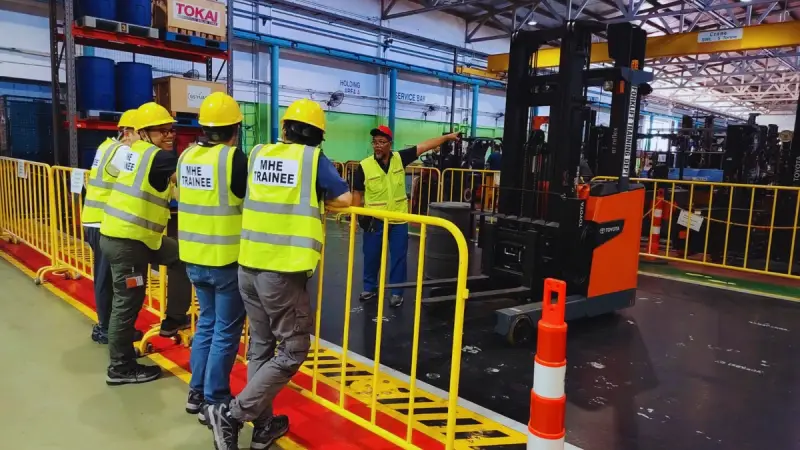
UMW's training programmes are designed to instil a comprehensive safety mindset in every participant. The curriculum covers load stability assessment, visibility management, and pedestrian awareness. Trainees practise defensive driving techniques, learning how to anticipate and avoid common hazards such as blind corners, uneven surfaces, and congested loading bays. Emergency response protocols are also covered, preparing operators to react calmly in the event of a tip-over, load shift, or mechanical failure. By promoting a culture of safety consciousness, organisations can dramatically reduce their accident rates. A safer workplace also leads to lower insurance premiums, reduced absenteeism, and improved employee morale. The integration of floor care equipment, including industrial scrubbing machines, further enhances safety by maintaining clean, debris-free surfaces that reduce the risk of skids and accidents.
Why Choose UMW for Your Training Needs
Selecting the right training provider is a critical decision that affects the quality of instruction and the long-term competence of your workforce. UMW brings decades of industry experience to its courses, with trainers who possess deep practical knowledge of material handling equipment and warehouse operations. These instructors do not simply deliver theoretical content; they share real-world insights gained from years of working in the field, helping trainees understand the nuances of different operational environments.
UMW's commitment to excellence extends to its continuous curriculum improvement process. All courses are regularly updated to incorporate the latest regulatory changes from MOM and SSG, as well as emerging best practices in the industry. This ensures that participants receive training that remains relevant and effective, even as technology and standards evolve. The courses cater to a wide range of skill levels, from complete beginners to experienced operators seeking refresher or upgrade training. By partnering with UMW, businesses gain access to a comprehensive training ecosystem that supports their operational goals, compliance requirements, and safety objectives. The result is a workforce that is not only certified but genuinely competent, capable of handling the challenges of modern warehousing with confidence and skill.
The Long-Term Value of Professional Training
Investing in professional operator education is not an expense; it is a strategic investment with measurable returns. The immediate benefits of reduced accidents and lower maintenance costs are obvious, but the long-term advantages are equally compelling. A well-trained workforce is more adaptable, able to handle new equipment and changing operational requirements with minimal disruption. This flexibility is invaluable in Singapore's dynamic business environment, where market conditions can shift rapidly.
Furthermore, accredited training enhances your company's reputation as a responsible employer. Customers and partners are increasingly attentive to safety standards and ethical practices. When you can demonstrate that your operators are properly certified, you build trust and differentiate yourself from competitors who may cut corners. The cost of training is modest compared to the potential costs of accidents, downtime, and regulatory penalties. Professional training also encourages a broader culture of workplace care, where operators take pride in their equipment and environment. This includes maintaining clean floors through the consistent use of scrubbing machines, which in turn protects the wheels and undercarriages of forklifts from premature wear. By ensuring that every operator is fully trained, you protect your people, your assets, and your reputation.
Frequently Asked Questions
1. How long does a typical forklift training course take to complete in Singapore?
Most MOM-approved courses run for three to five days, covering both theoretical knowledge and practical assessments. Refresher courses for experienced operators are shorter, typically lasting one to two days.
2. Is the certification recognised across different industries in Singapore?
Yes, as long as the training provider is accredited by MOM and SSG, the certification is valid across all sectors, including logistics, construction, manufacturing, and warehousing.
3. Do I need to provide my own forklift for the practical training sessions?
No. UMW supplies fully maintained equipment, including various types of forklifts and pallet trucks, for all practical training. You are welcome to use your own machines if preferred.
4. How often should operators renew their forklift certification?
MOM does not specify a mandatory expiry date, but industry best practice recommends refresher training every three years or whenever an operator is assigned to new equipment or a different warehouse layout.
5. How does training contribute to reducing facility maintenance costs?
Trained operators are more aware of their environment and treat equipment with greater care. They are also more likely to report floor damage or debris, enabling prompt cleaning with scrubbing machines, which prevents long-term damage to both trucks and racking.
Read another Article: Trucks vs Racks – Which Upgrade Wins?
Create Your Own Website With Webador