Deciding between two leading non-surgical skin tightening treatments can feel like a difficult decision. Both Thermage and Ultherapy are designed to improve skin firmness and contour without incisions, yet they use different forms of energy and target distinct tissue layers. Many first‑time patients want to know how the technologies compare, how long results take to become visible, and which option suits their specific skin type. This guide explains each treatment in plain language, helping you understand the science behind the warmth and the gradual improvements that follow.
Whether you are considering a subtle refresh or a more pronounced lift, understanding the facts will help you talk with your doctor. Both procedures are non‑invasive, require little to no downtime, and produce natural‑looking changes over several months. However, they differ in depth of penetration, sensation during treatment, and the degree of lifting they provide. This article compares them side by side – from how they feel during the session to who makes the best candidate – so you can make a confident, informed choice. For those concerned with skin laxity, exploring options like Ultherapy skin tightening can be a significant first step.
Key Takeaways:
- Thermage uses radiofrequency energy to gently heat mid‑layer skin, promoting collagen for improved firmness and smoother texture.
- Ultherapy employs focused ultrasound to reach deeper foundational layers, offering a more noticeable lifting effect for sagging skin.
- Results from both treatments develop gradually over several months as new collagen forms naturally.
- Thermage suits those with mild laxity seeking subtle firming; Ultherapy is ideal for moderate sagging requiring a visible lift.
- A consultation at a reputable clinic helps determine the most suitable option for your skin goals.
Understanding Non‑Surgical Skin Tightening
Skin tightening treatments work by delivering controlled energy to the deeper layers of the skin, causing a mild, healing response. This process stimulates fibroblasts to produce new collagen and elastin, the proteins that keep skin firm and resilient. Over time, the skin becomes tighter, smoother, and more lifted. Because the surface remains intact, there is no need for incisions or general anaesthesia, making these procedures popular among busy professionals. Both Thermage and Ultherapy achieve this goal without the risks associated with surgery.
The way each treatment delivers energy differs significantly. Thermage uses radiofrequency that spreads through the dermis, while Ultherapy uses focused ultrasound that pinpoints specific depths. Understanding this difference is the first step toward choosing the right procedure for your degree of laxity and your desired outcome. For individuals specifically seeking Ultherapy skin tightening, the treatment is often recommended for those with more pronounced sagging, as it targets the deeper structural layers.
How Thermage Works
Thermage delivers radiofrequency energy through a handheld device that also cools the skin's surface. The energy heats the collagen‑rich mid‑dermis to a precise temperature, causing an immediate contraction of existing collagen fibres. This gives a subtle initial tightening. More importantly, the heat triggers a wound‑healing response that prompts the body to produce new collagen over the following months. The sensation is often described as a deep warmth, but a cooling tip keeps the outer layer comfortable.
People choose Thermage for smoother skin and better contour. It addresses mild to moderate sagging on the cheeks, jawline, and eye area. It also improves uneven texture and fine lines. Many first‑time patients prefer Thermage because it offers gentle, natural‑looking results without peeling or marks. The device can also be used on the body – stomach, arms, thighs – making it a flexible option for various concerns. When comparing options, some patients may find that Thermage provides the subtle firming they need without the deeper sensation associated with ultrasound.
How Ultherapy Works
Ultherapy uses micro‑focused ultrasound energy to reach deeper tissue layers, including the superficial muscular aponeurotic system (SMAS). This is the same layer that surgeons tighten during a facelift. The ultrasound creates precise thermal coagulation points, which trigger collagen and elastin production from the inside out. Because the top layer of skin remains undisturbed, the treatment is safe for many skin types, including Asian skin. For patients seeking a more pronounced lift, this deeper reach is what sets Ultherapy apart from radiofrequency.
Patients often choose Ultherapy when they desire a visible lift. It is commonly performed on the brows, jawline, and neck. Ultrasound penetrates deeper than radiofrequency, providing a more pronounced lifting effect for those with sagging in the lower face or submental area. Some people feel an early lift within weeks, but the full results appear gradually over three to six months. An Ultherapy skin tightening provider can help you understand whether this approach suits your anatomy and goals.
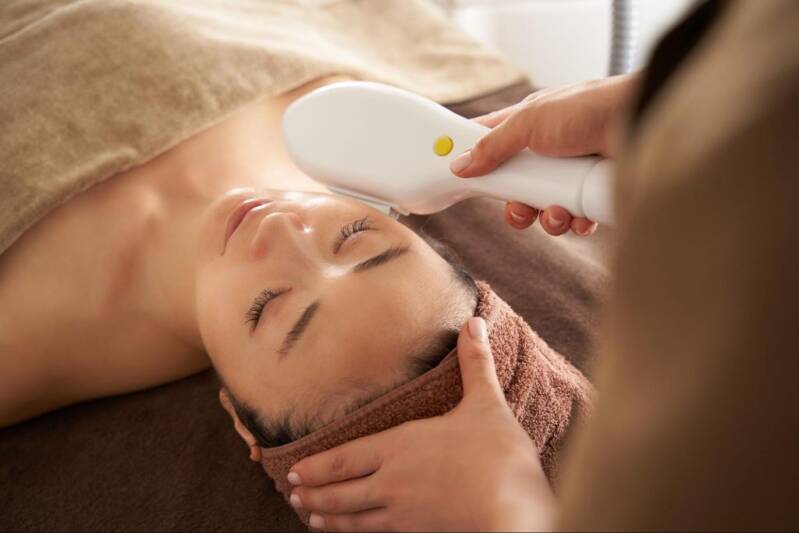
Technology Comparison: Radiofrequency vs Ultrasound
Radiofrequency energy works in the mid‑layers of the skin, improving firmness, smoothness, and overall texture by gently heating a broad area. This makes Thermage suitable for individuals who want subtle tightening without deep structural changes. The treatment is relatively comfortable, and the cooling tip minimises any discomfort. Thermage is often described as a "full‑face firming" procedure that also works well on delicate areas like the eyelids.
Ultrasound energy travels deeper, targeting the foundational layers that support the face. This deeper reach helps create a noticeable lifting effect, especially around the brow, jawline, and neck. Because the practitioner can visualise the tissue layers with real‑time imaging, the energy is delivered precisely where it is needed. Both treatments encourage new collagen production, and neither requires surgery or long recovery periods. For those interested in Ultherapy skin tightening, the precision of ultrasound imaging offers added reassurance.
Visible Results and Treatment Timelines
The effects of Thermage become evident over several months as collagen gradually strengthens. Skin appears smoother and tauter, with a reduction in fine lines. Most patients notice initial changes after four to six weeks, with optimal results seen around the three‑to‑six‑month mark. A single session is usually sufficient, and the outcome typically lasts 12 to 18 months. Annual touch‑ups can help maintain the effect.
Ultherapy also produces a progressive lift, though some individuals notice an early tightening due to immediate collagen contraction. The deepest lifting becomes visible around three months, with continued improvement up to six months. Because ultrasound targets deeper tissue, the results can be more dramatic for those with moderate sagging. Like Thermage, one session is generally enough, and effects last 12‑18 months. Neither treatment is as drastic as surgery, but both offer meaningful, natural improvements. A qualified Ultherapy skin tightening practitioner can guide you on realistic timelines.
Suitability by Age and Skin Condition
Thermage is well‑suited for individuals in their late twenties to forties who notice early signs of ageing, such as fine lines, slight drooping of the cheeks, or crepey eyelids. It also works on the body, making it versatile. The treatment is gentle and produces natural‑looking results that do not appear "overdone." Those with mild laxity who want subtle firming often prefer Thermage.
Ultherapy is generally recommended for people in their mid‑thirties and older who have visible sagging around the jawline, brow, or neck. It is also effective for reducing a double chin or turkey neck. Because the energy bypasses the surface, it is safe for all skin tones, including Asian skin. A doctor will assess your degree of laxity and recommend the appropriate technology. For patients seeking Ultherapy skin tightening, the procedure offers a reliable non‑surgical alternative to a facelift.
Preparing for Your First Visit and Aftercare
Before your appointment, keep your skincare routine simple. Avoid retinoids, exfoliating acids, and excessive sun exposure for a few days prior. On the day of treatment, arrive with clean skin, free of makeup or heavy creams. Your practitioner may apply a topical numbing cream to enhance comfort, especially for Ultherapy. The procedure itself can last between 30 and 90 minutes, depending on the area treated.
Aftercare is straightforward. You may notice mild redness, swelling, or tenderness, but these side effects usually resolve within a day or two. Use a gentle cleanser, apply a hydrating moisturiser, and protect your skin with broad‑spectrum sunscreen daily. Avoid hot baths, saunas, and intense exercise for 24‑48 hours. To maintain long‑term results, schedule a yearly touch‑up session. Whether you choose Thermage or Ultherapy, following these guidelines helps you heal smoothly. An Ultherapy skin tightening provider will give you specific aftercare instructions tailored to your treatment.
FAQs
1. Which treatment is more painful – Thermage or Ultherapy?
Thermage is generally described as a deep warmth with brief, tolerable heat bursts. Ultherapy may produce a more intense tingling or pinching sensation because it reaches deeper layers. Topical numbing cream is commonly used for Ultherapy. Both are well tolerated, and discomfort stops as soon as the energy delivery ends.
2. How many sessions of Thermage or Ultherapy are needed?
Most patients achieve their desired lift with a single session of either treatment. However, individuals with more significant laxity may benefit from a second session after six to twelve months. Your doctor will recommend a personalised plan during your consultation.
3. Can I combine these treatments with other procedures?
Yes. Many clinics offer complementary treatments such as laser resurfacing for pigmentation or injectable hydration for skin quality. Your practitioner can design a sequenced plan. An Ultherapy skin tightening provider may suggest combining ultrasound with other modalities for comprehensive rejuvenation.
4. Are these treatments safe for darker skin tones?
Yes. Both Thermage and Ultherapy are safe for all skin types because they do not target melanin. Ultrasound and radiofrequency energy bypass the epidermis, reducing the risk of post‑inflammatory hyperpigmentation. Always choose an experienced doctor.
5. How long do the results last, and when will I see them?
Results from both treatments appear gradually over two to six months. The effects typically last 12 to 18 months. Maintenance sessions can extend the outcome. For optimal longevity, protect your skin from the sun and follow your doctor's aftercare advice.
Read another Article: Your Guide to Picking an Aesthetic Clinic in SG
Create Your Own Website With Webador