Moving goods from Singapore to Malaysia by road is a common requirement for many businesses, from manufacturers sending components to e-commerce retailers fulfilling orders across the causeway. The close economic ties between the two nations have created a steady demand for efficient and affordable land transport. While air and sea options exist, cross-border trucking offers a practical balance of speed and cost for most commercial shipments. This guide explains how road freight works for cargo to Malaysia, covering the key steps, documentation, and cost factors you need to know.
Understanding the process helps you plan better, avoid delays, and build a reliable supply chain. Whether you are shipping a single pallet or a full container load, knowing what to expect at each stage gives you confidence. The following sections break down the journey from pickup in Singapore to final delivery at a Malaysian warehouse or shop floor.
Key Takeaways:
- Cross-border trucking is usually faster than sea freight and cheaper than air freight for cargo to Malaysia.
- Full truckload (FTL) suits large volumes, while less-than-truckload (LTL) works well for smaller shipments.
- Proper customs documentation, including commercial invoices and packing lists, is essential to avoid delays at checkpoints.
- Costs include base transport, tolls, fuel surcharges, and customs processing fees.
- Working with an experienced logistics provider simplifies the process and improves reliability.
Why Road Freight Dominates for Cargo to Malaysia
The geographical proximity between Singapore and Peninsular Malaysia makes road transport a natural choice. The two major land crossings at Woodlands and Tuas provide direct access to Johor and beyond, allowing trucks to reach Kuala Lumpur, Penang, or other industrial areas within one to two days. This speed compares favourably with sea freight, which requires port handling and often longer transit times. At the same time, road haulage costs significantly less than air freight, especially for heavier or bulkier items. For regular commercial shipments, trucking offers the best value.
Another advantage is flexibility. Unlike scheduled air or sea services, cross-border trucking can be arranged on short notice, with daily departures available from most logistics providers. This responsiveness helps businesses manage fluctuating demand without holding excessive inventory. Additionally, road transport handles a wide variety of goods, from standard palletised boxes to oversized machinery or temperature-sensitive products. For many companies sending cargo to Malaysia, road freight is the default and most practical solution.
Understanding the Shipping Process for Malaysian-bound Goods
The journey begins with pickup from your Singapore location, whether a warehouse, factory, or retail store. The trucking company collects the shipment and transports it to a consolidation point if you are using LTL (less-than-truckload) service. There, your goods are grouped with other consignments heading in the same direction to fill a truck efficiently. If you have enough volume for a full truckload (FTL), the vehicle comes directly to your premises and loads exclusively with your cargo. This direct service reduces handling and can be faster, though it costs more per shipment.
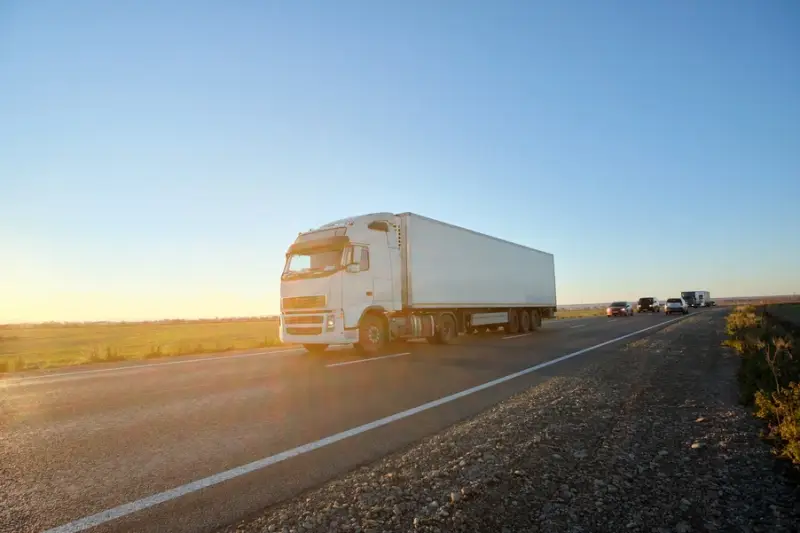
After loading, the truck proceeds to one of the border checkpoints. The driver presents the necessary customs declarations to Malaysian authorities for import clearance. Once approved, the vehicle continues to the delivery address in Malaysia. The entire process, from pickup to drop-off, typically takes between one and three days, depending on the distance and any inspection delays. For urgent cargo to Malaysia, some providers offer expedited services that prioritise your shipment, reducing transit to less than 24 hours for destinations in Johor.
Documentation and Customs for Cargo to Malaysia
Proper paperwork is the most critical factor for smooth border crossing. When sending cargo to Malaysia, you must provide a commercial invoice that accurately describes the goods, their value, and the country of origin. A packing list detailing the contents of each pallet or carton is also required. For certain products, such as food items, electronics, or chemicals, additional permits or certificates may be necessary. The harmonised system (HS) codes on your invoice must be correct, as Malaysian customs use them to assess duties and taxes. Errors in classification can lead to delays or financial penalties.
The exporter of record is typically the Singapore-based seller or freight forwarder, while the importer of record is the Malaysian buyer or consignee. The importer must have a customs registration number and may need to pay import duties and sales tax (SST) at the border. To speed up clearance, many logistics providers submit declarations electronically before the truck arrives at the checkpoint. This pre-clearance reduces waiting time, especially during peak hours. If your business regularly sends cargo to Malaysia, it is worth establishing a relationship with a customs broker or a logistics partner who manages these formalities on your behalf.
Cost Factors in Cross-Border Trucking
The price of shipping by road depends on several variables. The base rate covers the vehicle and driver for the journey from Singapore to your Malaysian destination. This rate varies by distance: a delivery to Johor Bahru will cost less than one to Penang or Kuala Lumpur. The size and type of the truck also matter, with larger containers or specialised equipment (such as refrigerated units) commanding higher fees. Fuel surcharges are common, as diesel prices fluctuate. Tolls for the Causeway or Second Link are another component, usually passed on to the customer as a line item.
For LTL shipments, you pay per cubic metre (CBM) or per 100 kilograms, whichever yields a higher charge. Typical rates for cargo to Malaysia range from SGD 80 to 150 per CBM, plus handling fees at consolidation centres. For FTL, a 20-foot container might cost between SGD 600 and 900, including basic customs clearance. Urgent deliveries or weekend pickups incur premium charges of 30 to 50 per cent. To avoid surprises, request an itemised quote that breaks down all components. Some providers also charge demurrage if the truck is kept waiting for loading or unloading beyond a free period, so plan your warehouse operations accordingly.
Choosing a Logistics Partner for Your Cargo to Malaysia
Selecting the right provider can make a significant difference in your shipping experience. Look for a company with a proven track record of on-time deliveries and positive customer reviews. They should offer real-time tracking so you can monitor your shipment’s progress from pickup to final drop-off. Transparent pricing is another hallmark of a reliable partner: they should provide clear, itemised quotes without hidden fees. Ask about their experience with your specific type of goods, especially if you handle fragile, hazardous, or perishable items.
A good logistics partner will also assist with documentation and customs compliance. They can advise on the correct HS codes, help prepare invoices, and even submit electronic declarations on your behalf. Some providers offer warehousing services in Malaysia, allowing you to store inventory near your customers for faster replenishment. When evaluating options, consider not only the cost but also the value added. A slightly higher rate may be justified by better communication, lower risk of delays, and peace of mind. For businesses that regularly ship cargo to Malaysia, building a long-term relationship with a trusted logistics partner is a smart investment.
Frequently Asked Questions (FAQs)
1. How long does it take to deliver cargo to Malaysia by truck?
Typical transit is one to three days from Singapore to most Malaysian destinations. Urgent services can achieve next-day delivery to Johor Bahru.
2. What documents do I need for customs clearance in Malaysia?
You need a commercial invoice, packing list, and possibly a certificate of origin or import permit, depending on the goods. Your logistics provider can help prepare these.
3. Are there any goods that cannot be shipped by road to Malaysia?
Certain hazardous materials, illegal items, and restricted products like weapons or controlled drugs are prohibited. Check with Malaysian customs for a full list of banned imports.
4. How can I reduce the cost of shipping cargo to Malaysia?
Use LTL consolidation if your volume is low, sign a long-term contract for regular shipments, and avoid urgent delivery surcharges by planning ahead.
5. Do I need to pay GST or import duties on goods entering Malaysia?
Yes, Malaysia imposes sales and service tax (SST) on most imported goods, plus specific duties on certain categories such as alcohol, tobacco, and vehicles. Your consignee is responsible for these payments.
Read another Article >> Strategic Freight Choice: Trucking or Air Speed Guide
Create Your Own Website With Webador