Commercial security in the modern age requires a focus on both physical strength and digital intelligence. It is no longer enough to simply fit locks to external doors, as facility managers must now manage the movement of staff and visitors with extreme precision. An effective strategy looks at how hardware, software, and cabling work together to create a controlled environment. This guide explores the essential components needed for a professional building entry network, ensuring assets remain protected during both routine operations and unforeseen events.
A safe working environment starts with selecting an appropriate access control system to regulate who enters or exits specific rooms. Businesses in Singapore and globally are moving away from traditional keys in favour of smart solutions like biometrics, RFID, and cloud-based management. By adopting an end-to-end approach that includes consultancy and ongoing support, organisations can achieve convenience without compromising safety. Proper system design ensures that the security infrastructure is scalable enough to grow alongside the company.
Key Takeaways:
- Map out clear security zones to restrict lateral movement inside the property.
- Invest in industrial-grade hardware that supports high-level encryption standards.
- Use structured cabling to provide a stable foundation for real-time authentication.
- Optimise power redundancy to prevent system failure during electrical outages.
- Integrate entry logs with surveillance footage to improve incident investigations.
Navigating Authentication Hardware Options
Procurement begins with understanding the range of devices available, from standalone readers to networked enterprise solutions. Common methods like proximity cards or smart fobs are highly cost-effective for retail or office environments, though they carry risks if credentials are lost or stolen. In contrast, biometric readers use unique characteristics like fingerprints or facial recognition to verify identity with a high degree of certainty. These systems provide one of the safest security options but require frequent calibration to remain accurate.
The architecture of the network determines how efficiently these credentials are processed at the door. While traditional setups rely on a central controller, modern IP-based designs allow each entry point to function as an independent node. This decentralised approach improves reliability, as a fault at one point does not necessarily disable the entire network. Administrators must evaluate their daily traffic volume and specific risks to choose hardware that enhances safety without creating unnecessary obstacles for authorised staff.
Structured Cabling For Reliable Data Flows
The stability of any digital security network is tied to the quality of its physical connections. Using structured cabling creates an organised framework for carrying data and power between readers, controllers, and servers. This methodical approach uses high-quality copper or fibre optic links that meet strict industry standards, reducing signal interference. A professional installation simplifies future maintenance and ensures the system remains robust as the facility expands.
In technologically advanced hubs, businesses frequently seek expert network cabling in Singapore to handle real-time security data. Having a stable foundation is critical for modern authentication methods that require instant verification against a remote database. When certified cabling services ensure low-latency transmission, the result is a more responsive environment for the facility management team. Clear labelling of all cables further assists technicians in fault diagnosis and prevents confusion during system upgrades.
Power Redundancy And Operational Uptime
Electronic security networks are inherently vulnerable to interruptions in the local electrical grid. If a building loses power, electronic locks may default to an open state, which compromises the perimeter, or stay locked, potentially trapping personnel inside during an emergency. To mitigate this risk, professional designers incorporate uninterruptible power supplies into the central control panels. This backup system provides immediate temporary power, allowing the security hardware to remain functional until the main power is restored.
Proper power management requires more than just installing a battery; it involves optimising the backup system to prevent lockouts during local electrical faults. A well-specified uninterruptible power supply filters out electrical noise and protects sensitive controllers from damaging power surges. Regularly testing these backup units is a vital part of a preventative maintenance schedule to ensure they are ready to engage instantly. This proactive approach prevents the facility's perimeter from becoming a liability during a blackout or a localised malfunction.
Planning The Installation Lifecycle
Successful implementation begins with a thorough site survey to evaluate the client's security requirements and property layout. Specialists must assess potential cable routes and existing electrical infrastructure before drilling or mounting any equipment. This planning stage helps determine the number of entry points and the types of doors or gates that require monitoring. A well-executed review ensures the infrastructure is robust enough to support advanced technology without needing structural modifications later.
Preparation involves gathering all necessary components, such as control panels, readers, and electric strikes, before the team arrives on site. Hardware must be mounted strategically, with controllers kept in secure indoor locations to prevent tampering and readers placed at ergonomic heights. Once the physical components are in place, technicians create user profiles, assign permissions, and set emergency access rules. Thorough testing of each credential and backup power source is essential to confirm the system functions as intended across all scenarios.
Managing The Server Room Environment
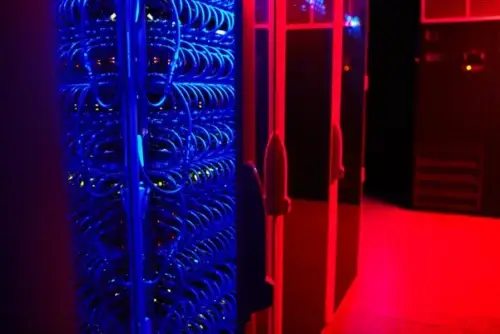
The server room acts as the core of the IT system, yet it is often plagued by ad-hoc cabling that leads to unstable operations. Messy wiring can block vents and restrict air movement, causing expensive equipment to overheat and potentially burn out. To prevent this, managers should utilise cable trays, racks, and horizontal organisers to maintain clear pathways for cooling. A tidy and organised space not only looks professional but also prolongs the life of network hardware.
Keeping power and data cables separated is another critical best practice to avoid electromagnetic interference. This is particularly important for sensitive systems like CCTV and entry controls, where signal integrity is required for reliable security monitoring. Using industry-standard tools like Velcro straps and patch panels ensures that cables remain accessible for servicing or upgrades. Regular maintenance audits, including checking for dust accumulation and physical abrasion, keep the infrastructure at optimal levels at all times.
Integrating Surveillance And Safety Tools
A comprehensive strategy involves synchronising entry mechanisms with other monitoring technologies like closed-circuit television. Connecting door readers to a CCTV system allows for visual verification of every entry attempt, which is invaluable for incident investigations. When a door is forced or an unauthorised card is presented, the system can automatically direct nearby cameras to record the event. This creates a complete audit trail that helps security personnel make rapid decisions during an emergency.
Effective communication between these disjointed systems requires a unified software platform that can be managed from a single dashboard. This level of integration is becoming a standard requirement for large corporate offices and industrial sites. By combining various tools into a single ecosystem, facility managers achieve a higher level of situational awareness, ensuring the building remains a haven. Finally, all electronic locks must be hard-wired to the fire alarm system to ensure they automatically release during an evacuation.
FAQs
1. What is the difference between fail-safe and fail-secure locks? Fail-safe locks automatically unlock when power is lost to prioritise life safety, while fail-secure locks remain locked to prioritise asset security.
2. Why is a UPS necessary for building entry? It prevents the system from becoming inactive during a blackout, which could otherwise leave the building open to intruders or trap occupants inside.
3. How does structured cabling improve network performance? It provides an organised wiring framework that reduces signal interference and ensures data reaches the server reliably for real-time authentication.
4. Can I manage my building security from a mobile device? Yes, most modern networked systems offer mobile apps or web-based dashboards for viewing logs and granting visitor access remotely.
5. What are the benefits of mobile credentials? They are harder to lose than physical cards and leverage the existing security features of a smartphone, such as biometrics.
Read another Article: Designing Resilient Entry Frameworks
Add comment
Comments